Our book review for October features the compelling life story and vivid dreams of Fadi Arnaout.
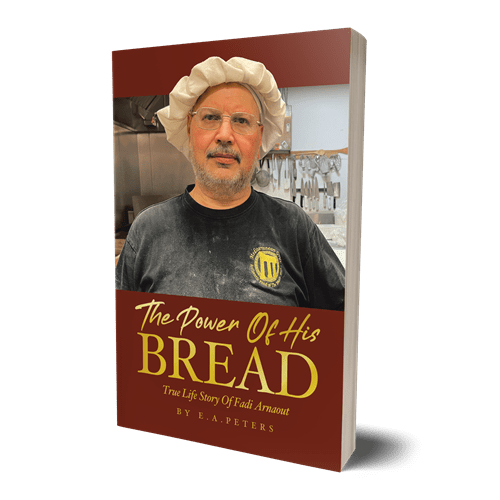
The Power of His Bread by Fadi Arnaout is a deeply spiritual and introspective book that blends personal testimony, religious reflections, and prophetic insights into a cohesive narrative. Arnaout, a man of deep faith, shares his life journey and his connection to God, highlighting moments of divine intervention, profound dreams, and spiritual experiences that have shaped his understanding of the world. The central theme of the book revolves around faith in God, the significance of personal spiritual encounters, and the meaning Arnaout finds in dreams and visions.
A significant portion of the book is dedicated to Arnaout’s prophetic dreams, which he interprets as messages from God. Arnaout’s vivid dreams, which he recounts with striking clarity, seem to hold significant meaning, not only for his personal life but for global events, as he perceives them. These dreams, according to Arnaout, are far from random; they are prophetic, showing him visions of the future and offering insight into the state of the world, including its political and spiritual dimensions.
One of the most striking dreams he recounts is a confrontation with a figure he identifies as the devil. In this dream, the devil, described with wings and holding a red steel rod, approaches Arnaout. The letters “O-P-E-N” flash in blood on the devil’s forehead, with the word Palestine written in both Hebrew and Arabic. In the ensuing struggle, Arnaout manages to kill the devil by using the same rod. This violent encounter, laden with religious and geopolitical symbolism, left him deeply affected, and he interpreted it as a sign of the ongoing struggles in the Middle East.
Arnaout’s dreams seem to transcend his personal life, reaching into the collective history and future of the Middle East, a region plagued by conflict for centuries. He shares his belief that the issues in the Middle East, particularly concerning the land of Israel and Palestine, will never fully be resolved. In his view, the land itself is sacred, belonging neither to Israelis nor Palestinians but to God. This theological perspective underpins much of how he sees the future of the region, with his dreams acting as prophetic visions that align with his interpretation of divine will.
Arnaout’s prophetic dreams connect deeply with his lived experience and his reflections on the complex politics of the Middle East. His insights, drawn from both his dreams and his life, offer a unique, if personal, narrative on the longstanding conflicts in the region
Throughout The Power of His Bread, Arnaout reflects on the trials and tribulations he has faced, as well as the miracles he has witnessed, which reaffirm his belief in the power of faith and prayer. The title of the book itself signifies the deep spiritual nourishment that Arnaout believes comes from following God’s will and receiving divine guidance.
Overall, the book offers a mix of personal anecdotes, theological reflections, and prophetic revelations, with a strong focus on the significance of dreams and visions in understanding both personal destiny and the broader events unfolding in the world.
 Mixed Media Magazine