The Scandalous Story of Agnes Willoughby and William Windham: Madness, Marriage, and a Victorian Spectacle
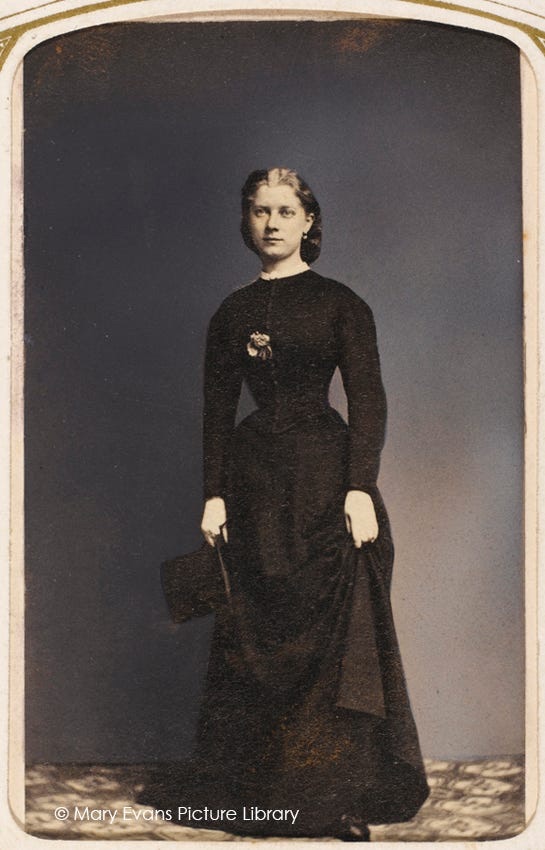
In the annals of Victorian England, few scandals captivated the public like that of William Frederick Windham and his controversial bride, Agnes Willoughby. Their marriage ignited a legal, social, and psychiatric firestorm that would be remembered as one of the most sensational trials of the 19th century.
A Courtesan’s Ascent
Agnes Willoughby, later known as Mrs. Windham, was born into misfortune. Raised in a corrupt workhouse and pushed into prostitution by her own mother, Agnes’s early life was shaped by survival. Yet, she would rise from the shadows of Victorian society with shrewdness, charm, and scandal. Before marrying Windham, Agnes had been the mistress of various prominent men, including the Italian tenor Antonio Giuligni and a timber merchant infamously nicknamed “Mahogany” Roberts, who once kept her in a house on Piccadilly.
Her relationship with William Windham, however, would make her infamous.
The Eccentric Heir
William Windham was born into privilege in 1840 as heir to Felbrigg Hall in Norfolk, England. Educated at elite schools—including Eton, from which he was expelled for foul language—he never settled into a career despite brief attempts at law and military training. At 21, he inherited the Felbrigg estate, valued at £4,000 a year, with more wealth to follow at 28. Yet, within months of inheriting, he married Agnes Willoughby and settled a large sum on her, drawing widespread condemnation.
His uncle, General Charles Windham, was alarmed—not just by the marriage, but by the potential for Agnes to bear an heir, which would permanently block his own claim to the estate. He alleged William was mentally unfit, initiating a high-profile lunacy trial in late 1861.
The Trial of the Century
The trial, formally a Commission de Lunatico Inquirendo, lasted over six weeks and gripped the nation. William’s behavior was undeniably eccentric. He obsessively dressed in police uniforms to chase prostitutes, idolized railway workers, and allowed Agnes’s former lovers to roam Felbrigg Hall. He even gave “Mahogany” Roberts access to the estate’s timber resources.
Despite this, a jury ruled Windham of sound mind, concluding he was simply eccentric, not insane. Nonetheless, the legal battle cost him £20,000—roughly £2 million today—and his reputation was in tatters. The press, initially sympathetic, later questioned how such obvious instability could have passed as sanity.
A Tragic Decline
Following the trial, Windham’s finances collapsed. Forced to sell Felbrigg Hall, he moved into a Norwich hotel and eventually took work as a coach driver. He died penniless in 1866 at just 25 years old, reportedly of alcohol-related illness. Agnes’s fate afterward is less documented, but by then, she had already returned to her previous lover, Giuligni.
Legacy
The Windham case remains a turning point in both legal and psychiatric history. As noted in the British Journal of Psychiatry, it marked a shift from legal to medical understandings of mental illness. It also exposed the thin line between madness and eccentricity, especially in a class-driven society.
As for Agnes Willoughby, her story remains one of remarkable if controversial ascent—a woman who, despite every obstacle, etched her name into the history books by simply refusing to be forgotten.
Read more here…
Find out about more courtesan courtships here.
Or the Dollar Princesses here.
 Mixed Media Magazine