An art portfolio book by artist and director Vicky Jenson was shared online via YouTube.
It’s a great chance to see more of Vicky’s talents that weren’t shared on film.
Unlock the Creative Potential of Media – Anywhere, Anytime
An art portfolio book by artist and director Vicky Jenson was shared online via YouTube.
It’s a great chance to see more of Vicky’s talents that weren’t shared on film.
Our book review for October features the compelling life story and vivid dreams of Fadi Arnaout.
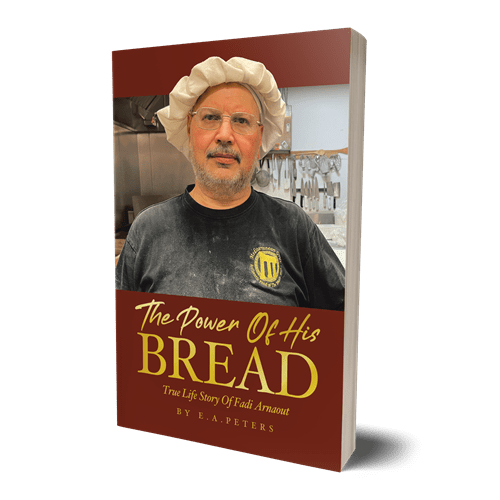
The Power of His Bread by Fadi Arnaout is a deeply spiritual and introspective book that blends personal testimony, religious reflections, and prophetic insights into a cohesive narrative. Arnaout, a man of deep faith, shares his life journey and his connection to God, highlighting moments of divine intervention, profound dreams, and spiritual experiences that have shaped his understanding of the world. The central theme of the book revolves around faith in God, the significance of personal spiritual encounters, and the meaning Arnaout finds in dreams and visions.
A significant portion of the book is dedicated to Arnaout’s prophetic dreams, which he interprets as messages from God. Arnaout’s vivid dreams, which he recounts with striking clarity, seem to hold significant meaning, not only for his personal life but for global events, as he perceives them. These dreams, according to Arnaout, are far from random; they are prophetic, showing him visions of the future and offering insight into the state of the world, including its political and spiritual dimensions.
One of the most striking dreams he recounts is a confrontation with a figure he identifies as the devil. In this dream, the devil, described with wings and holding a red steel rod, approaches Arnaout. The letters “O-P-E-N” flash in blood on the devil’s forehead, with the word Palestine written in both Hebrew and Arabic. In the ensuing struggle, Arnaout manages to kill the devil by using the same rod. This violent encounter, laden with religious and geopolitical symbolism, left him deeply affected, and he interpreted it as a sign of the ongoing struggles in the Middle East.
Arnaout’s dreams seem to transcend his personal life, reaching into the collective history and future of the Middle East, a region plagued by conflict for centuries. He shares his belief that the issues in the Middle East, particularly concerning the land of Israel and Palestine, will never fully be resolved. In his view, the land itself is sacred, belonging neither to Israelis nor Palestinians but to God. This theological perspective underpins much of how he sees the future of the region, with his dreams acting as prophetic visions that align with his interpretation of divine will.
Arnaout’s prophetic dreams connect deeply with his lived experience and his reflections on the complex politics of the Middle East. His insights, drawn from both his dreams and his life, offer a unique, if personal, narrative on the longstanding conflicts in the region
Throughout The Power of His Bread, Arnaout reflects on the trials and tribulations he has faced, as well as the miracles he has witnessed, which reaffirm his belief in the power of faith and prayer. The title of the book itself signifies the deep spiritual nourishment that Arnaout believes comes from following God’s will and receiving divine guidance.
Overall, the book offers a mix of personal anecdotes, theological reflections, and prophetic revelations, with a strong focus on the significance of dreams and visions in understanding both personal destiny and the broader events unfolding in the world.
Bonus 5 Soviet Fantasy Films to check out.
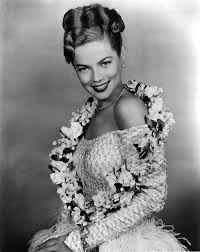
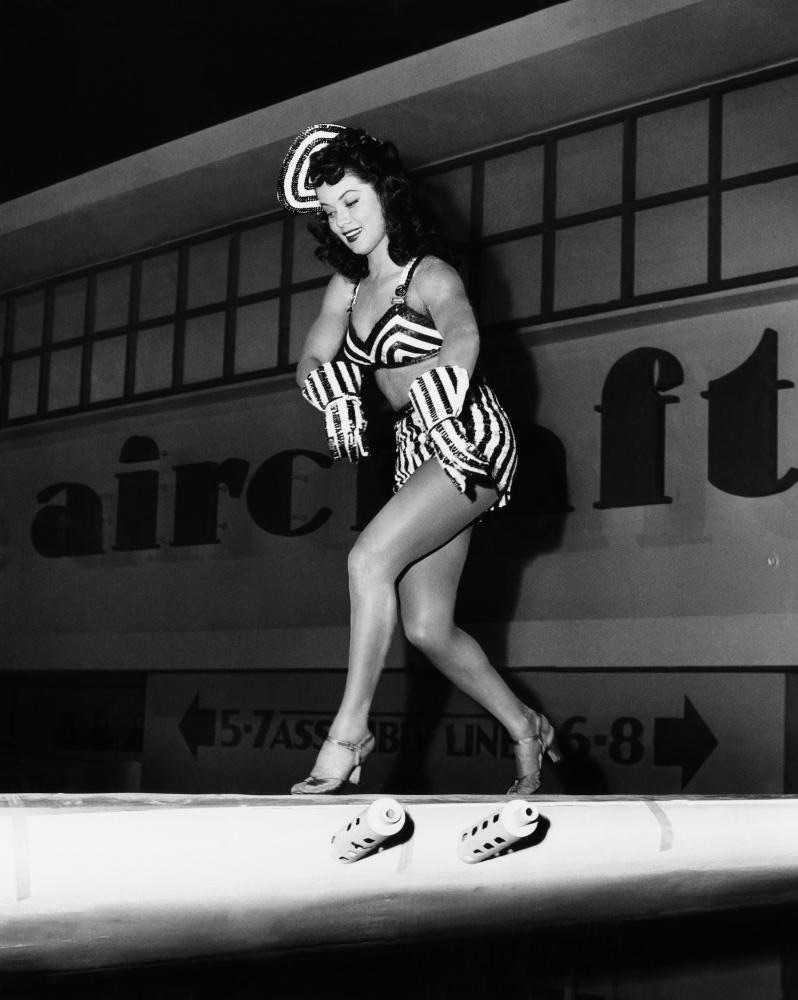
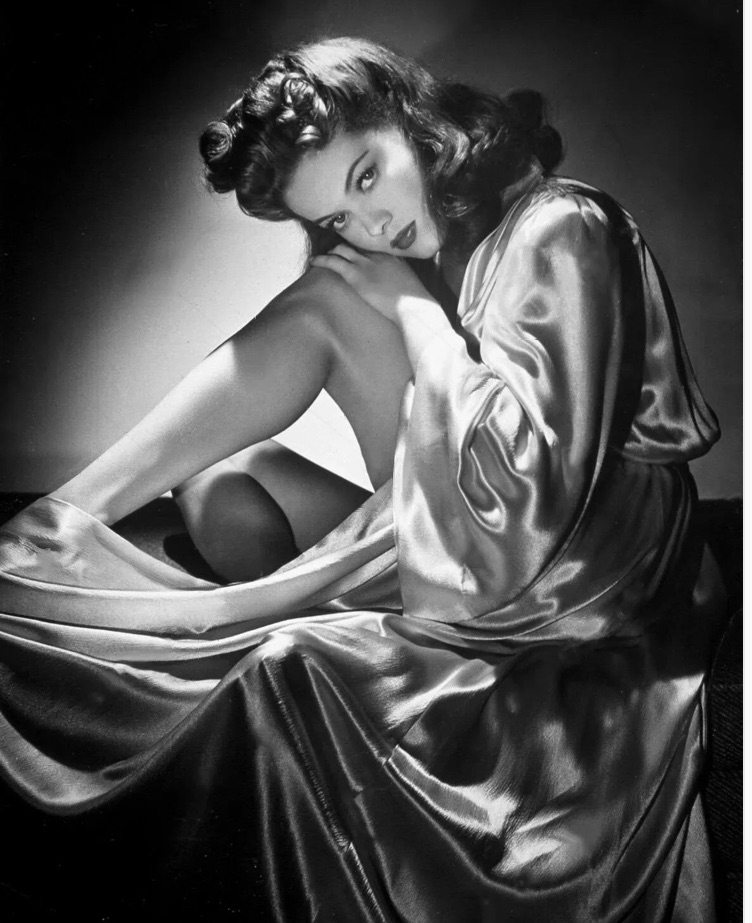
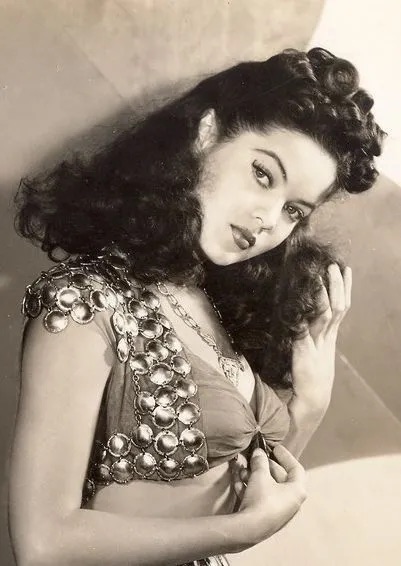
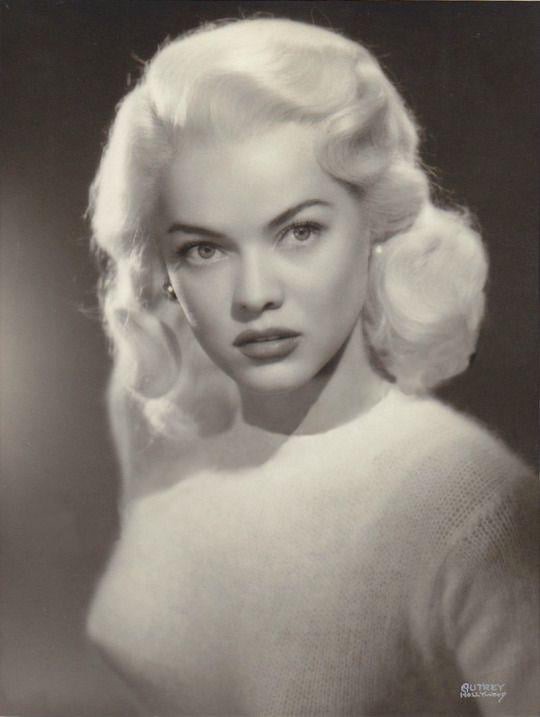
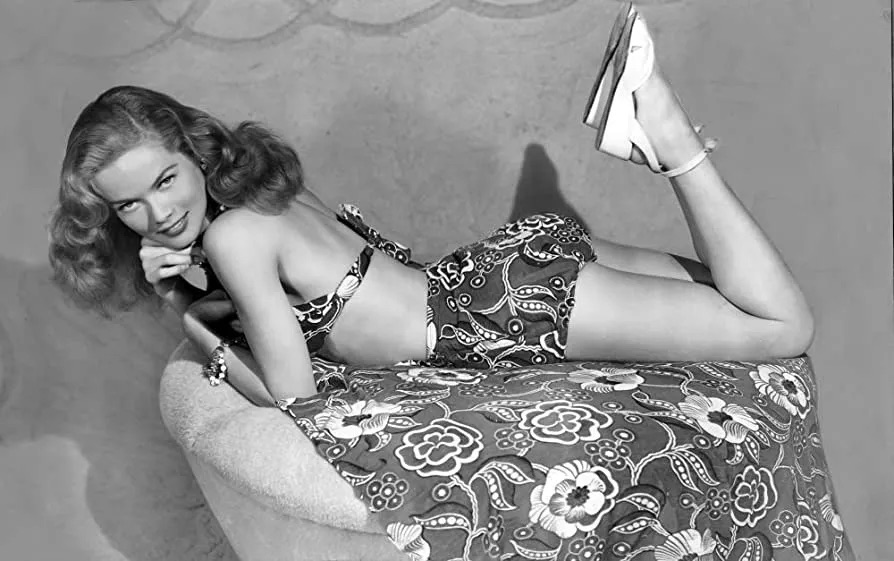
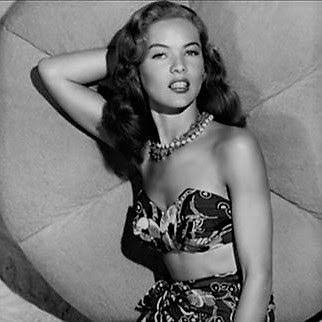
In the golden era of Hollywood, amidst the glitz and glamour of the silver screen, Dona Drake, also credited as Rita Rio, shone as a multifaceted talent whose charisma transcended both acting and music. With a career marked by versatility and passion, Drake captivated audiences with her performances and left an indelible mark on entertainment history.
As an actress and musician, Dona Drake’s journey epitomizes the quintessential Hollywood story of resilience and determination. Born Eunice Westmoreland in 1914, Drake embraced her mixed heritage, she could play Black, Hispanic, White, and Native American characters and easily passed not only as multiple races but multiple individuals. Sources say she was Filipino and European, however there are rumors she was partially African American and her true racial background was hidden by her various personas for marketing purposes. Her unique and versatile looks contributed to her allure, setting her apart in an industry dominated by conventional standards.
In this article we explore some of her most iconic photos and looks, sometimes she could pass as a twin for modern stars like Margo Robbie and Katy Perry, in other images she could be a dead ringer for Eartha Kitt.
Below are 10 of her most iconic looks



Mahāmahopādhyāya Bhadreshdas Swami, V.I. Lakshmanan and S. Kalyanasundaram
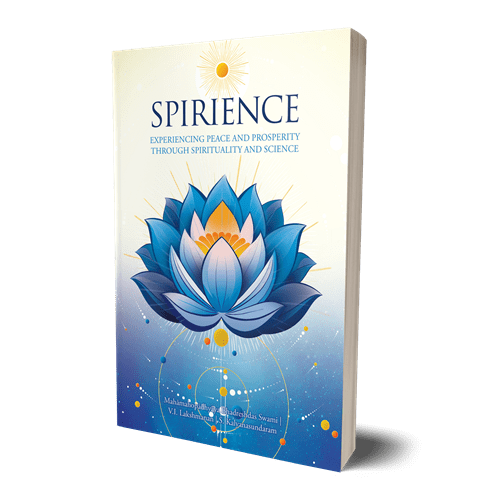
In an age where technology evolves at a relentless pace, reshaping daily life with every update, the individual can easily feel overwhelmed. But Spirience, by Mahāmahopādhyāya Bhadreshdas Swami, V.I. Lakshmanan and S. Kalyanasundaram, offers a unique perspective on how to navigate this modern whirlwind, reminding readers to honor both the outer world of science and the inner realm of spirituality.
The book’s title, Spirience—a blend of “spirituality” and “science”—captures its core message: these two forces are not at odds but can work together harmoniously. Drawing on both Eastern and Western philosophies, the authors emphasize the importance of maintaining a balance between technological progress and inner reflection.
The authors, including an Indian scientist, bring a fresh perspective on integrating these seemingly contrasting worlds. The book delves into how modern life, while filled with technological marvels, can lead to a loss of individuality and connection to the self. It encourages readers to remember their spiritual center, especially in a fast-moving, tech-driven society.
While Spirience highlights the need to stay grounded spiritually, it also offers practical advice on how to live a fulfilling life, blending rational thought with ethical behavior. Through quotes from figures like Albert Einstein and Hindu swamis, the book underscores the idea that science and spirituality, far from being opposites, can complement one another in the pursuit of a meaningful existence.
In essence, Spirience reminds us that the path forward lies not in choosing between science or spirituality, but in embracing both.
New anime takes on manga like aesthetic
Uzumaki, meaning “spiral” in Japanese, follows the inhabitants of the small, fictional town of Kurouzu-cho as they become obsessed with spirals. The plot centers on high school student Kirie Goshima and her boyfriend Shuichi Saito as they witness the horrifying effects this spiral curse has on their town. The spirals manifest in strange and grotesque ways, contorting the bodies and minds of Kurouzu-cho’s residents, leading to their inevitable, horrifying demise.
What sets Uzumaki apart from other horror narratives is its unrelenting sense of dread. Rather than following a traditional plotline with a clear antagonist, the town’s curse itself becomes the enemy—an incomprehensible, cosmic force that warps reality. As the spiral curse spreads, the town and its people spiral into madness and despair, reflecting the deeply unsettling tone that Junji Ito masterfully conveys through his artwork.
Junji Ito’s Uzumaki remains one of the most iconic horror manga of all time. The detailed, intricate illustrations of grotesque transformations and surreal body horror have cemented its status as a must-read for horror enthusiasts. Ito’s distinctive art style is a key element of the manga’s appeal—his ability to depict extreme terror, body disfiguration, and otherworldly phenomena with such precision elevates the reader’s experience.
Aside from its terrifying visuals, Uzumaki explores deeper themes such as obsession, fear of the unknown, and the cyclical nature of life and death. The spiral symbol itself becomes a metaphor for the inescapability of fate and the destructive potential of fixation, turning what could be a simple horror story into a complex meditation on human nature.

 Mixed Media Magazine