In this video, Teal Swan explores what she calls “independence sickness,” a growing psychological and social problem that she believes is affecting much of modern humanity. According to Teal, this sickness develops when people lose touch with both rational thinking and emotional reality. Over time, collective disconnection becomes so common that it starts to feel normal.
Teal explains that this problem is rooted in society’s strong belief in independence. In today’s culture, being completely self-sufficient is often treated as the ultimate sign of strength, health, and personal success. People are encouraged to rely only on themselves and to view needing others as a weakness.
However, Teal challenges this idea by reminding viewers that human beings are naturally social creatures. Throughout life, people depend on one another for emotional support, safety, learning, and survival. From childhood to old age, healthy development requires meaningful relationships and shared responsibility. According to her, ignoring these dependency needs creates emotional and psychological imbalance.
She also connects this shift toward extreme independence to major changes in human history. As societies moved from nomadic lifestyles to agriculture, then to industrial cities, people became more separated from close-knit communities.
Comparatively “conservative” (at least but Canuk stands) National Post, just released a heaping dose of copeium. It’s classic double speak and sounds like it could have spewed from the power books of the lamest CBC hack.
Here are some quotes.
“…Dietary Shifts: There’s a decline in omnivorous diets and a rise in flexitarian eating, reflecting adaptation to higher food costs and changing priorities…”
“…The cost of food may be contributing to dietary shifts as well, with a notable decline in the omnivorous diet and 10 per cent of Canadians reporting, “I do not buy beef.”…”
Translation people can’t afford food.
But hey, they are getting people off meat… just like they said they wanted to.
Traditionally, through history the peasant didn’t have access to red meat. It was illegal to hunt deer on the Queen’s lands etc. People could have eggs and fish sometimes… but mostly bread and water. In other parts of the world… rice… and of course bugs.
It’s a return to “normal” life for the non-political class.
Eventually they did quote someone in the lower third of the article that spelled it out.
“As much as people might want to make food choices based on how good something tastes or how nourishing it is, this isn’t feasible for many, says Taylor. “At the end of the day, our budget is our budget, and that’s all we have,” she adds. “And we’re already seeing people making different choices than they were.”
There you have it. They just can’t afford to eat what they want, especially if it’s whole foods (healthier choices). But, that’s surprisingly okay in a world with rising health problems directly related to diet.
How convenient. Now they can shame people later for the food they ate after they get sick.
Free speech in the U.S. was never intended to serve as a perpetual vehicle for permanent protest. However, over the past decade, it has morphed into a billion-dollar industry fueled by dark-money-funded, far-left-aligned NGOs—many backed by opaque funding sources, including leftist billionaires and entities based in countries classified as foreign adversaries.
Yet here we are. Far-left NGO networks, some aligned with Marxist ideology, attempted coordinated acts of civil unrest in Los Angeles last month, including arson and insurrectionist behavior.
Simultaneously, operatives tied to far-left color revolution operations, including the Indivisible movement, have targeted Elon Musk and President Trump. In fact, Indivisible has maintained a continuous, nationwide protest pressure campaign against Trump.
Just yesterday, Indivisible foot soldiers were spotted outside Carnegie Mellon’s facilities in Pittsburgh, where the President Trump attended an Energy and Innovation Summit.
Most of these protests are highly organized, and emerging evidence suggests they are largely artificial. In other words, NGOs are hiring “rent-a-protesters” to amplify their message and create the illusion of popular support—when in reality, that mass support does not exist.
The latest evidence comes from an interview between NewsNation’s Brian Entin and Adam Swart, CEO of an activist group called “Crowds on Demand.”
Swart told Entin that an unnamed organization offered his company $20 million to recruit demonstrators for the anti-Trump protests on Thursday.
He told the journalist, “We had to reject an offer worth around $20 million for nationwide, large-scale demonstrations across the country. Personally, I don’t think it’s effective. I’m rejecting the contract not because I don’t want the business, but because, frankly, this is going to be ineffective and make us all look bad.“
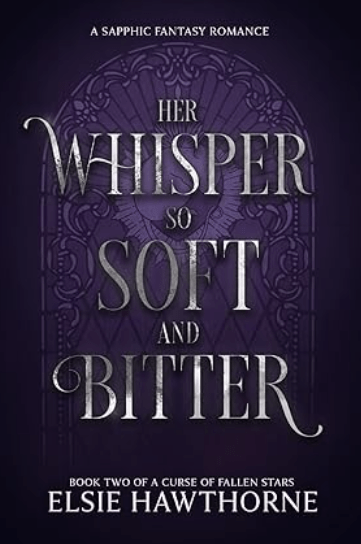
My awakening power. Her fading strength. And an ancient magic that could save—or condemn—us.
Having left the Citadel and everything I have ever known, all I have left is Sila. I am determined that we will find a place in this new world, to finally find somewhere safe. I should have known better. With her tether to the Library broken, Sila is beginning to unravel, and every new day in the cursed forest of the outer world brings unknown dangers upon us. But under these sunless skies, my magic burns bright as sunlight in my veins. If I can learn to wield it, it might be the power that will save her.
But such things come with a price, and if it does not cost me my life, it might cost me hers—if the forest doesn’t take us both first.
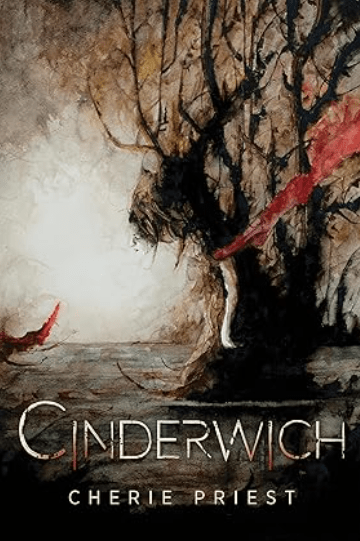
“Who put Ellen in the blackgum tree?” Decades after trespassing children spotted the desiccated corpse wedged in the treetop, no one knows the answer.
Kate Thrush and her former college professor, Dr. Judith Kane, travel to Cinderwich, Tennessee in hopes that maybe it was their Ellen: Katie’s lost aunt, Judith’s long-gone lover. But they’re not the only ones to have come here looking for closure. The people of Cinderwich, a town hardly more than a skeleton itself, are staunchly resistant to the outsiders’ questions about Ellen and her killer. And the deeper the two women dig, the more rot they unearth…the closer they come to exhuming the evil that lies, hungering, at the roots of Cinderwich.
Kaira wants revenge for her brother, but her curious mind also hunts for answers: the true history of the war, the goddess Kaori, and the enemy god Nihal. To chase that path, she must break free of her overprotective friend.
Sayaka, a blessed memory keeper, doesn’t want to kill; she wants to heal and protect the people she loves. But every life she saves takes something from her, and the Yujis tighten their leash. In a war that feeds on power, do the powerful ever get to choose peace?
You don’t need to run, my beloved. Not anymore. It’s time to come home to Ireland. To Wildewood…
Returning to the village of Kilfayne after all these years, scientist Alex still refuses to believe local folklore that her family is cursed. Even with all the mysterious deaths of her relatives at their ancestral manor, Wildewood. Now her twin brother has joined them. As the last de Wilde, all she wants is to finally sell the old place and move on.
But Nick, the brooding, dangerously hot groundskeeper and her brother’s best friend, seems determined to stand in her way. He was a suspect in her brother’s death. And Alex can find no records of Nick before he came to the isolated estate 15 years ago…
When Alex nearly falls to her death restlessly pacing the shadowy halls in the dead of night, it’s Nick who saves her life. But this near-death experience isn’t the last. Increasingly strange and potentially fatal accidents mount – each with striking similarity to those that claimed her relatives.
Alex is forced to dig into her family’s wretched past, with Nick’s help. Butare they ready to face just how dark the heart of Wildewood truly is?
This absolutely gripping and unputdownable page-turner will keep you totally addicted and send delicious shivers down your spine! Perfect for fans of Grimstone and Karina Halle.
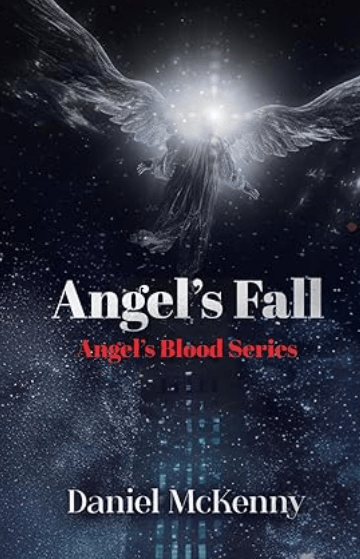
Death comes for all, human and beast alike. Through an angel’s kiss, warm and irresistible, each soul is sent onward—judged by deeds, good or bad. Only true love can delay this fate, for angels may share their power with a soulmate to save another from darkness. A kiss born of anger, however, leads only to ruin. Though eternal, angels still feel, suffer, and bleed, much like humans.
Greetings, reader. Before we begin, let me assure you of one thing: this story has a happy ending. Many tales falter when their conclusions disappoint, so I spare you that doubt. This journey, though filled with trials, leads to hope. To understand it, we must begin at the start.
Imagine life as an angel. Meet the Angel of Death, tasked with claiming souls. One Monday morning, while posing as a café job applicant, she meets Sam, a weary yet kind barista who captures her heart. If you enjoy fantasy, romance, and stories of true love, this tale is for you. Shall we begin?








 Mixed Media Magazine